Thursday, June 26, 2014
Pre-Hispanic Art
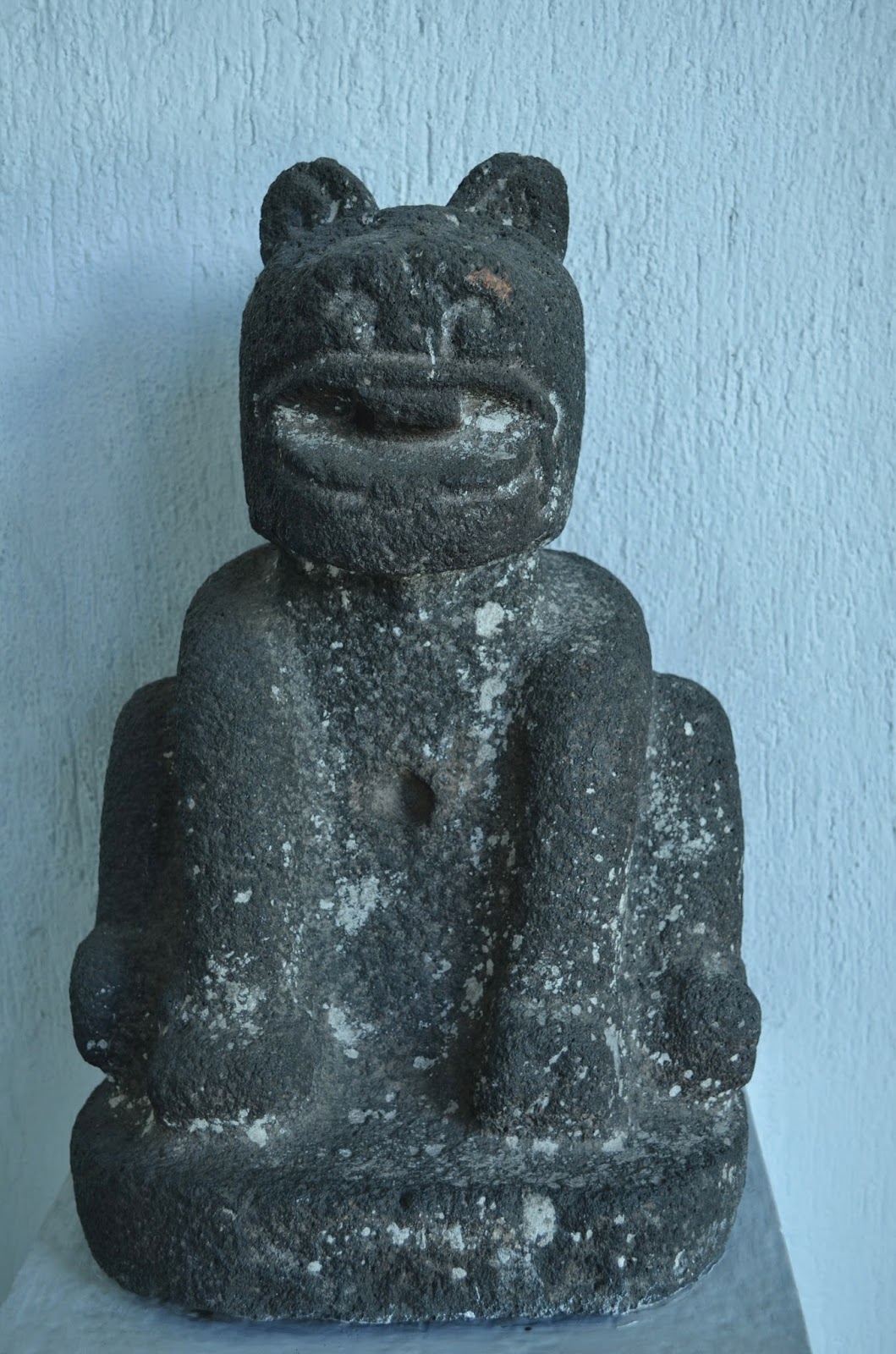
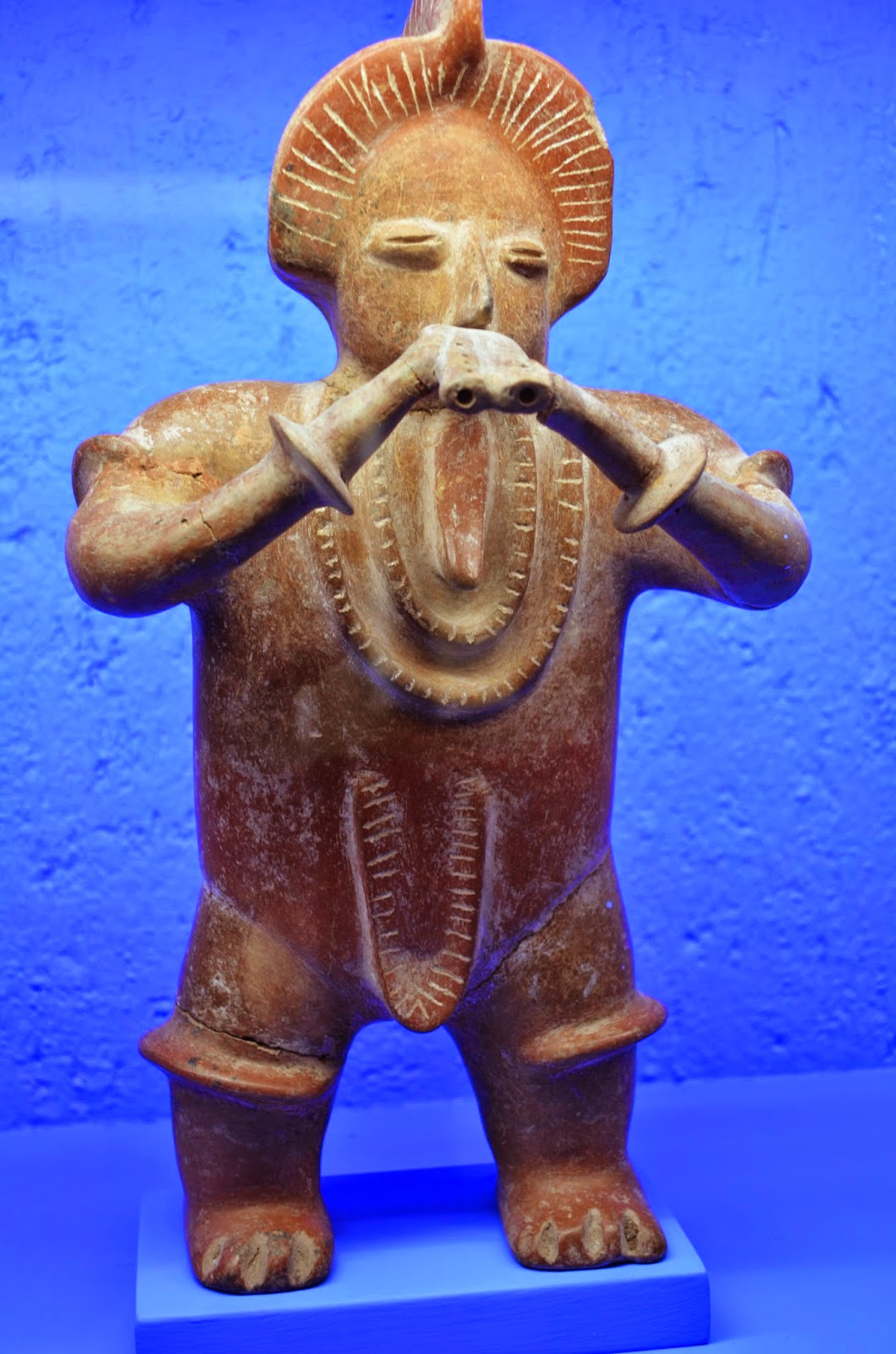
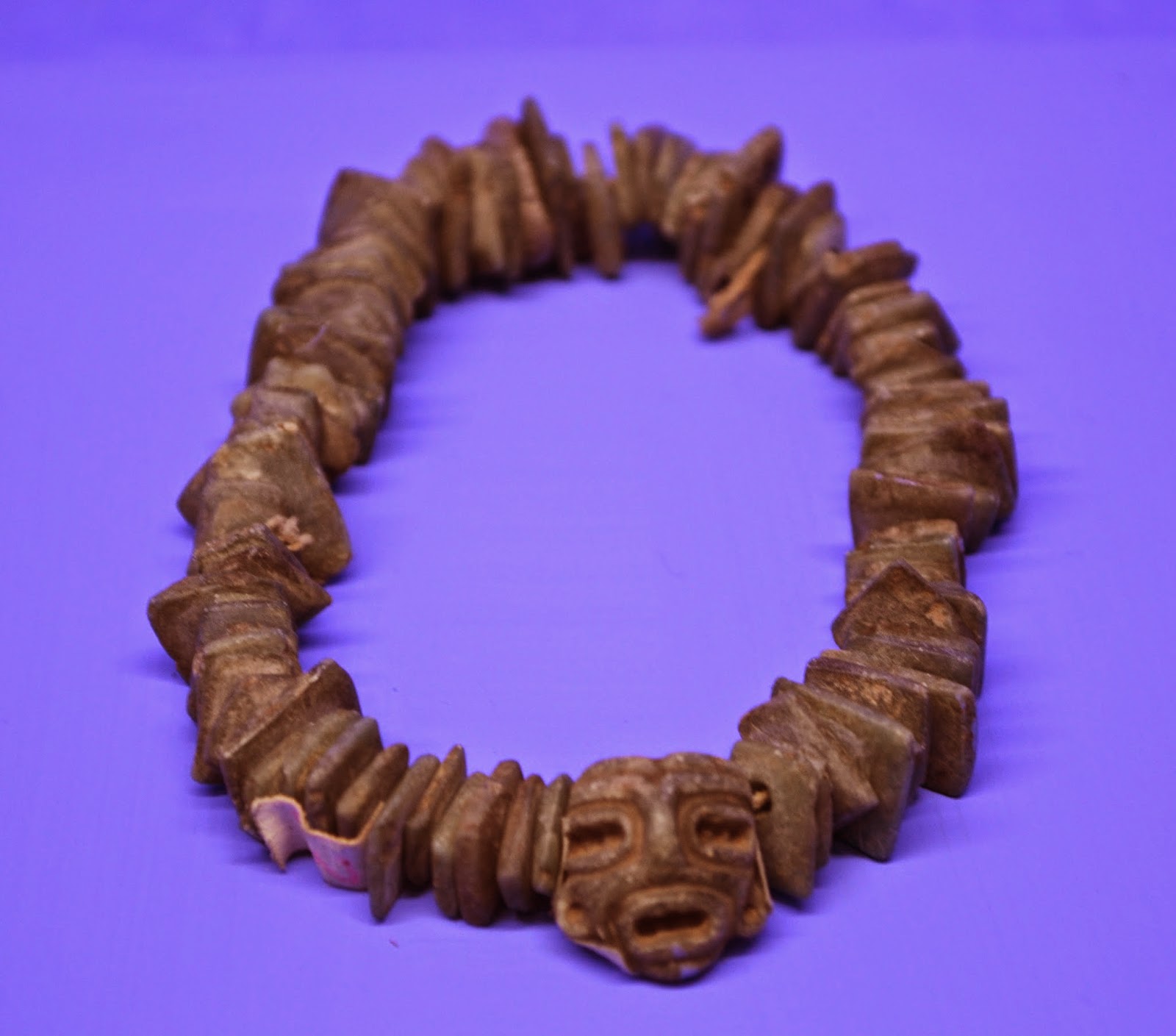
This morning we finally went to the Rufino Tamayo Pre-Hispanic Art collection. Tamayo was a famous Mexican painter from Oaxaca. He is of Zapotec heritage. Anyway, he collected Pre-Hispanic indigenous pieces from across Mexico and from different time periods, and this small museum exhibits them from the perspective of an artist rather than that of an archaeologist. I want to go back and sketch everything! Not only am I wanting to draw them, but I'm inspired to work in ceramics. You can detect from the amount of photos included that there is an incredible variety, and my interest in this area of art is piqued to say the least. I came away wondering if it is too late to be an archaeologist. Why is one lifetime too short for all of these things to do and places to live?
Speaking of lifetimes, our neighbor below, Delores, called us into her apartment this afternoon after the kids finished a game of "jaguar/poacher" in the jungle of our courtyard. She is 91 years old and has lived in this apartment for 21 years. Born in Chicago, she left Indiana at 70 to retire in Oaxaca. She has two children who were living in opposite coasts. So, she considered it time to leave. She wanted to live in Spain, but it cost too much. Her daughter had lived in Mexico and convinced her to check it out. She didn't find any colonial town to her liking and she was intimidated by the boisterous quality of Mexico City. She knew she needed to learn Spanish. (She knew French.) So, she enrolled in school here and completed a 2 1/2 year degree, and she fell in love with Oaxaca. Discussing her favorite places and receiving insider tips has inspired me to travel more in Mexico. I'd love to tour the archaeological sites and the museum in D.F. is supposed to be wonderful.
She is leaving in a couple of weeks for Seattle and is trying to figure out the cheapest way to transport 7 bags. She has 10 more in Mexico City with a professor friend. She and her daughter have doctor appointments there regularly, and between the two of them, they expect to transport all of the bags to the US over the next 2 1/2 years.
We spent the afternoon at our apartment and are eating all meals here today. Pat needed to get work done, Penelope needed to let her hair down, and I needed to cook fresh produce from today's market trip. Tomorrow we are venturing with a guide east of the city.
Wednesday, June 25, 2014
San Augustin Etla and Etla
We are growing adept at utilizing the collective taxi service here, and my admiration for their skills is growing each time we pile into the back of one. Today, we headed northwest of the city to the valley of Etla stopping at San Augustin which is a lovely town and Etla, the largest town in the area. At San Augustin, we walked past the beautiful church and courtyard which overlooks the valley--great vista, and we visited a converted cotton factory (Centro de Artes de San Augustin) which now houses a gallery, artist work spaces, and and ecological water feature. It was beautiful; the kids liked the shallow pools on roof tops that were also homes to fish. From there, we taxied to Etla where they were having their mercado day. Having been to several markets so far, this one struck me as surprisingly overwhelming and noisy. Vendors called out wares and prices aggressively and distinctly. It felt almost like a performance art. The booths, tables, and wares spilled over like a pile of mangos atop a table. In fact, I may have squashed a wandering mango as we made our way up a series of old stone steps to the covered prepared food portion. We were hungry and in need of bathrooms, but the overwhelming amount of flies and smell of propane tanks pushed us into the street in search of food. Perhaps not knowing Etla or not realizing its small size, we couldn't find a suitable place to eat. Exhausted and hungry, we purchased some drinks and snacks from the corner store, sat under the old aqueducts, and worked out our next step. We had wanted to see some ruins near by, but the collective taxis didn't go there. They recommended walking to the highway and flagging down another service. So we followed along the aqueduct reaching the highway and realized that we didn't know which service to flag down, and all were wondering if we needed a ride. So Pat asked another proprietor what to do, and he recommended, in fact, skipping the ruins. While predating Monte Alban and being significant historically, they have not been excavated very much. So there simply isn't much to see. Feeling defeated, we headed back to the city for lunch. We ate at a sort of fancy place that specializes in mole. Pat tried a yellow mole; I had a sampler plate featuring all six. The kids ate taquitos. It was a big yummy meal that left us satisfied and in need of a siesta.
| San Augustin Church |
![]() |
| "La Muneca de Mis Hermanas" by: Benjamin Dominguez |
| view from art center |
![]() |
| front of art center |
![]() |
| church in Etla, side chapel |
| portico ceiling next to Etla's church |
![]() |
| exiting Etla's church |
![]() |
| small altar for St. Jude |
![]() |
| St. Jude |
![]() |
| What a headache! |
| six moles for lunch |
Tuesday, June 24, 2014
Pat, Mary, and Permaculture
We met former Maryknoll workers and current Oaxacan residents, Pat and Mary, outside of the Cathedral of Our Lady of the Assumption which I was able to snap a few photos of while trying not to disturb those in prayer. Even though we are near the church daily, we finally entered it, and I definitely want to return in order to get a better look at some of the shrines. It has a very sacred feeling which is probably secured in the energies projected of those in prayer more than the objects and relics on the receiving end.
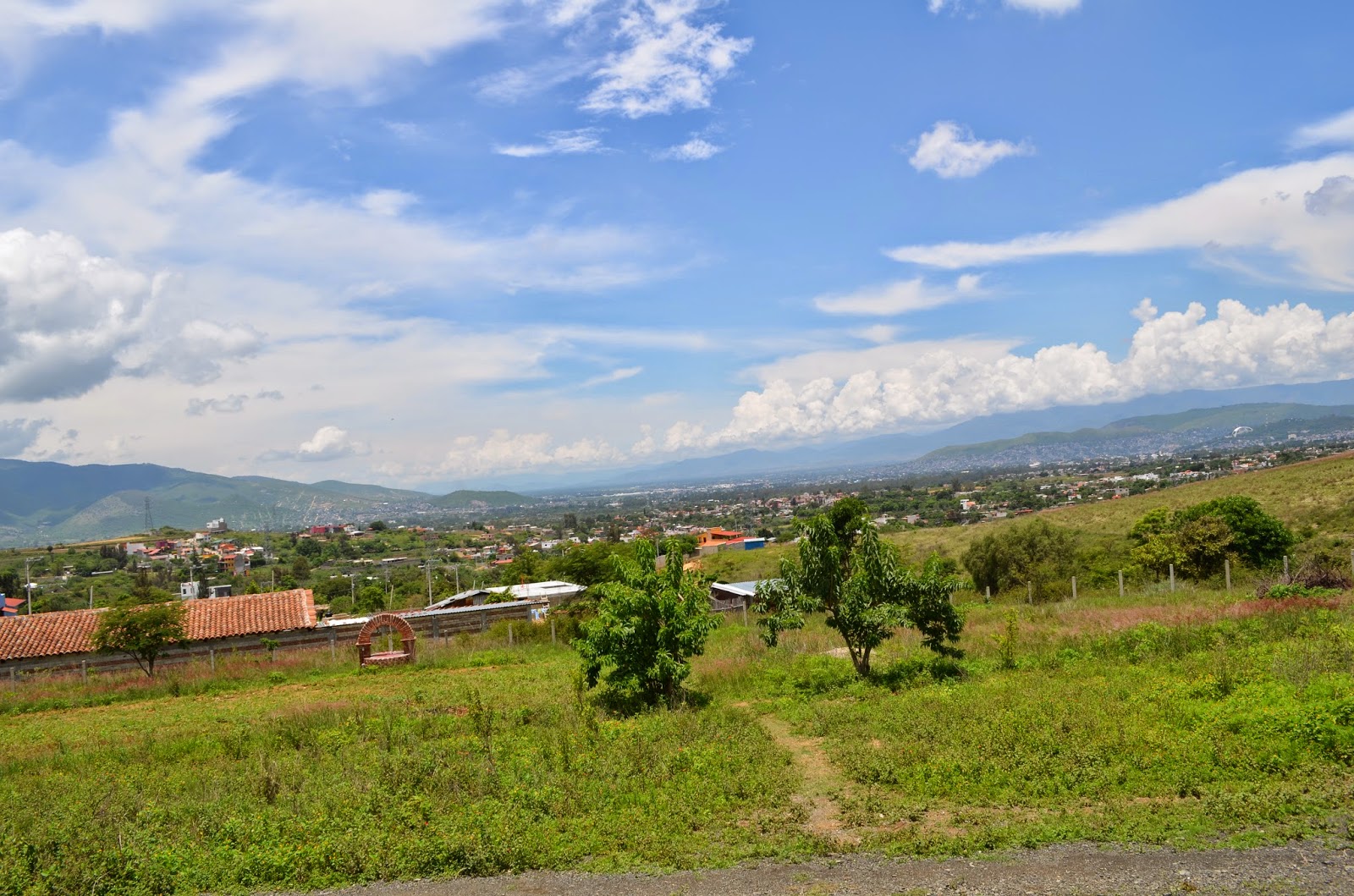
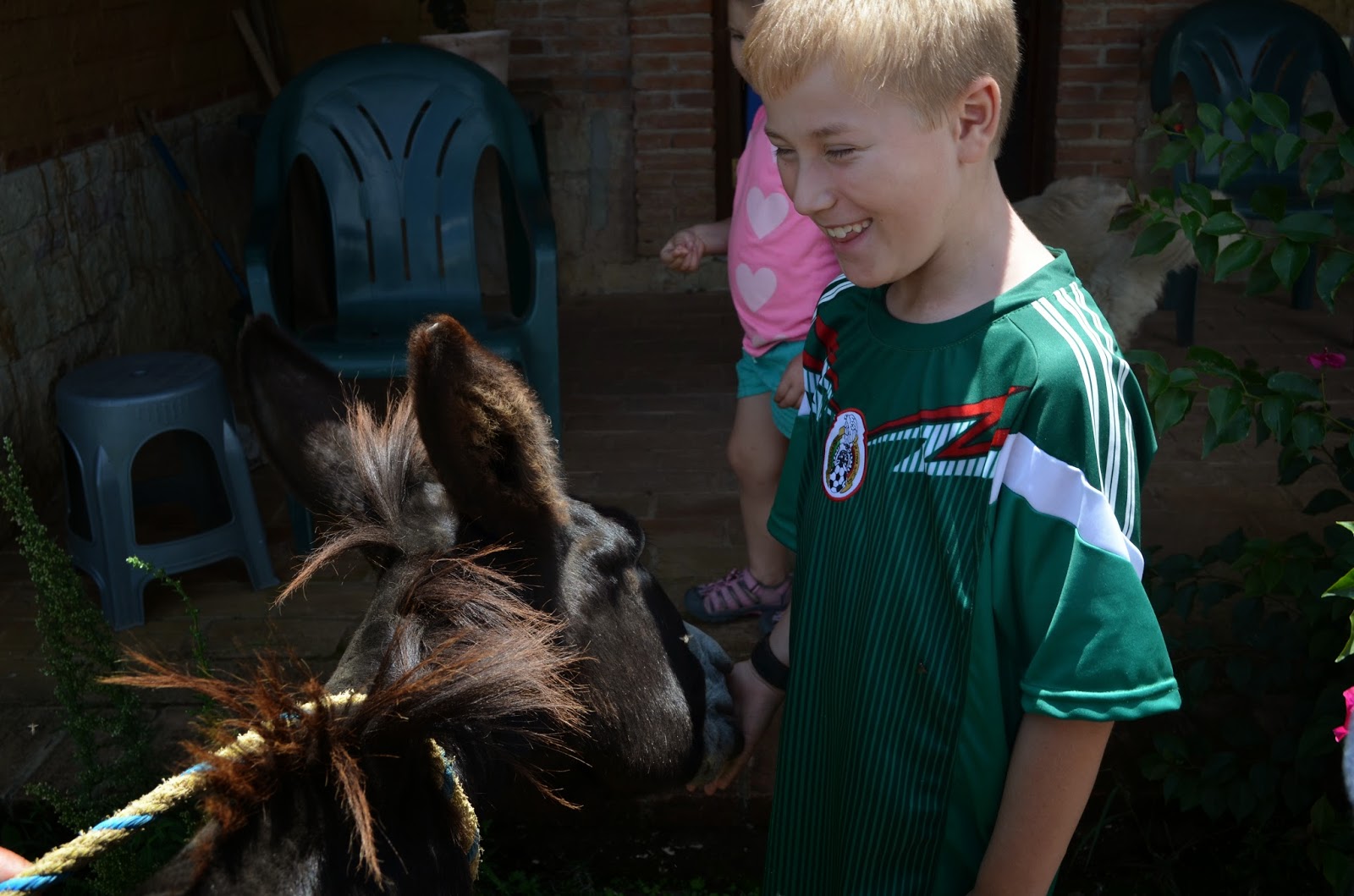
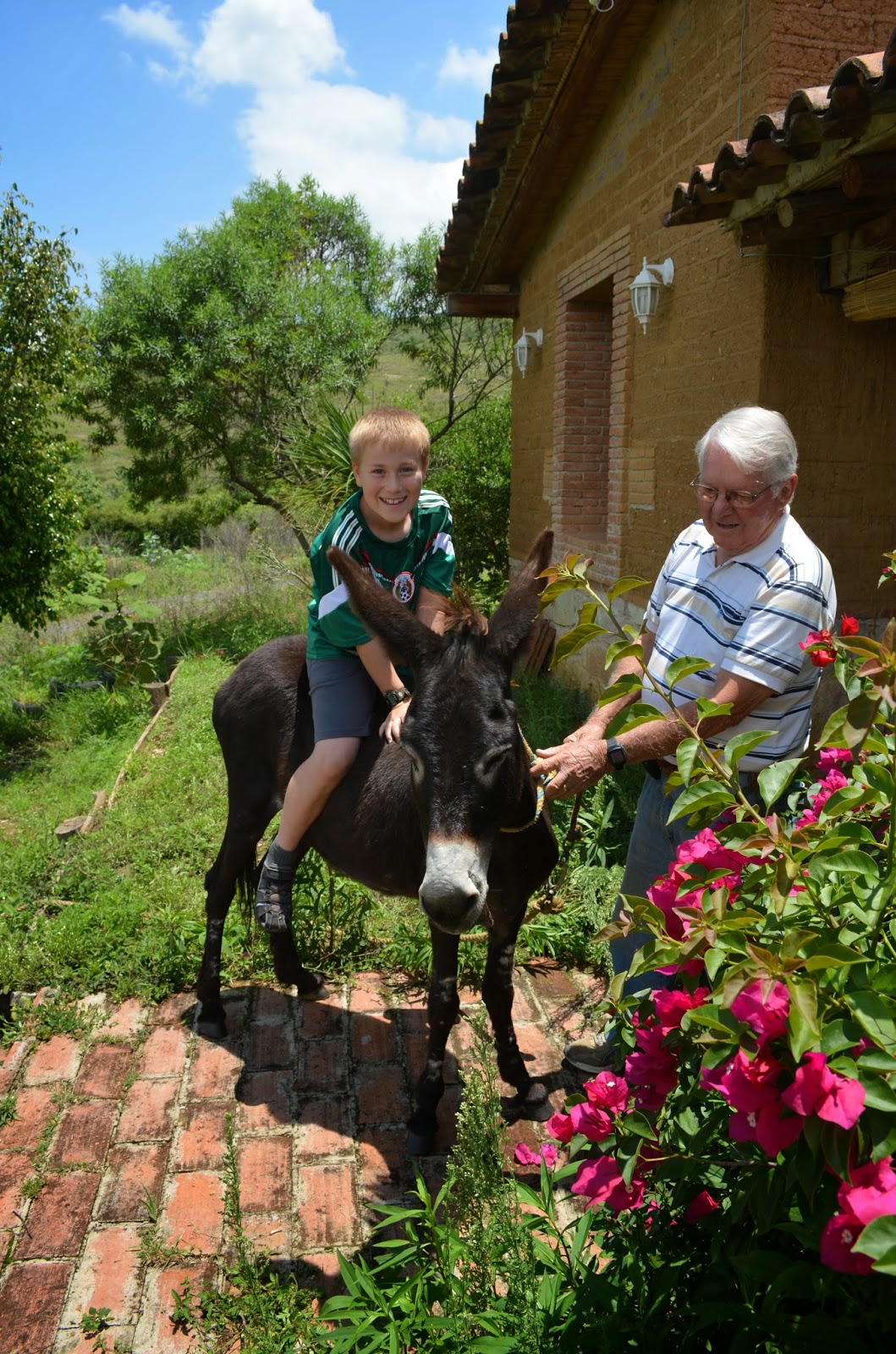
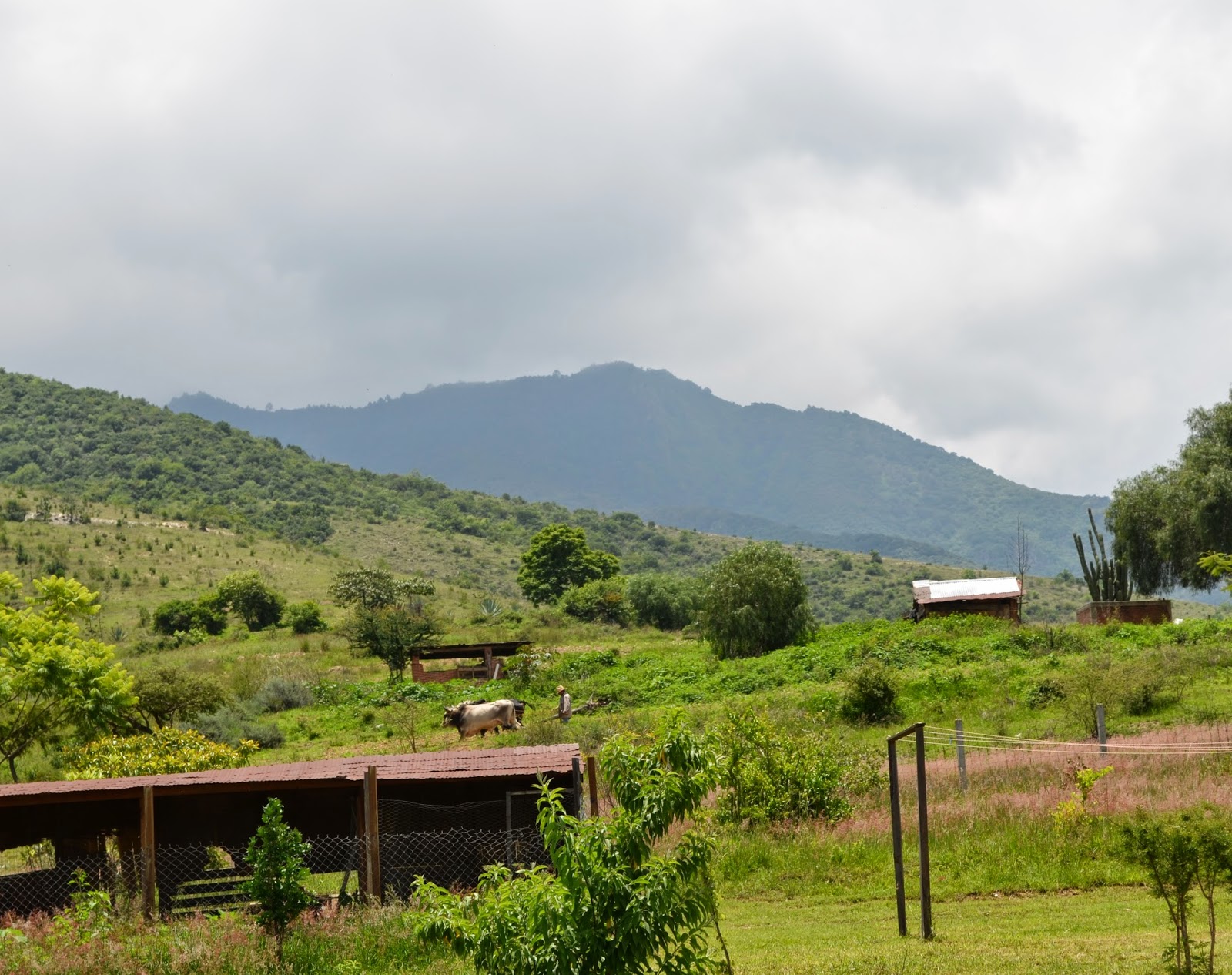
Pat and Mary have lived in Oaxaca region for the last 16 years. They retired from Maryknoll in the mid 2000's when the organization pulled out of Oaxaca, and they decided to stay building a sustainable home and small farm as a model, resource, and tool for organization. They were kind enough to meet us and show us where they live in the Sandial region of San Andreas Huayapam, a small town in the hills north east of Oaxaca city. After purchasing land from a farmer/neighbor they built an adobe home, dug a well, and erected a clever solar panel mechanism designed to follow the sun and perpetually collect its energies like a mechanized sun flower. They grow corn, beans, and squash organically, and otherwise have eco toilets and other conservationist practices. On Thursday they will have a local farmer bring his team of bulls and plow over to sow their patch of land. One man prods the team of bulls with a stick while another follows behind dropping and covering up the seeds. We were fortunate enough to see this process in action while driving to the town. While they used to have chickens and turkeys, they no longer keep them, but they do have a dog, two cats, and a burra named Bonita. The kids were sat on her back and feed her some salt, and she nuzzled Abe while we rested on the cool porch to take in the view.
For our main meal, we drove into the town, past the 17th century church to a local restaurant that happened to be closed. (This seems to be a common pattern in our trip) So we stopped for some roadside tejate, a labor intensive corn drink that is sweetened and consumed like a pre-hispanic energy drink. We drove a little further to a park area with several outdoor comedor restaurants on the banks of a damned lake. Under its shelter we talked to the ducks, dogs, and each other as we watched the storm come in, but blues skies returned as we rounded out our meal with a guitar serenade complete with some lyrics in Zapotec (our first time hearing the indigenous language spoken).
It was such a treat to not only spend time in the country with endearing animals (especially Bonita), but to witness the committed lifestyle of a pair dedicated to the landscape of Oaxaca. The kids were delighted that our friends spoke English. I think they miss hearing a language that they understand, and we miss having conversations that expand above and beyond our basic needs of eating and maneuvering in a city. I think we all came away inspired to continue to question prescribed lifestyles, to make more deliberate and perhaps adventurous choices, and to get ourselves a donkey if our chosen lifestyle allows for one. May she be as lovely as Bonita!
Pat and Mary have lived in Oaxaca region for the last 16 years. They retired from Maryknoll in the mid 2000's when the organization pulled out of Oaxaca, and they decided to stay building a sustainable home and small farm as a model, resource, and tool for organization. They were kind enough to meet us and show us where they live in the Sandial region of San Andreas Huayapam, a small town in the hills north east of Oaxaca city. After purchasing land from a farmer/neighbor they built an adobe home, dug a well, and erected a clever solar panel mechanism designed to follow the sun and perpetually collect its energies like a mechanized sun flower. They grow corn, beans, and squash organically, and otherwise have eco toilets and other conservationist practices. On Thursday they will have a local farmer bring his team of bulls and plow over to sow their patch of land. One man prods the team of bulls with a stick while another follows behind dropping and covering up the seeds. We were fortunate enough to see this process in action while driving to the town. While they used to have chickens and turkeys, they no longer keep them, but they do have a dog, two cats, and a burra named Bonita. The kids were sat on her back and feed her some salt, and she nuzzled Abe while we rested on the cool porch to take in the view.
For our main meal, we drove into the town, past the 17th century church to a local restaurant that happened to be closed. (This seems to be a common pattern in our trip) So we stopped for some roadside tejate, a labor intensive corn drink that is sweetened and consumed like a pre-hispanic energy drink. We drove a little further to a park area with several outdoor comedor restaurants on the banks of a damned lake. Under its shelter we talked to the ducks, dogs, and each other as we watched the storm come in, but blues skies returned as we rounded out our meal with a guitar serenade complete with some lyrics in Zapotec (our first time hearing the indigenous language spoken).
It was such a treat to not only spend time in the country with endearing animals (especially Bonita), but to witness the committed lifestyle of a pair dedicated to the landscape of Oaxaca. The kids were delighted that our friends spoke English. I think they miss hearing a language that they understand, and we miss having conversations that expand above and beyond our basic needs of eating and maneuvering in a city. I think we all came away inspired to continue to question prescribed lifestyles, to make more deliberate and perhaps adventurous choices, and to get ourselves a donkey if our chosen lifestyle allows for one. May she be as lovely as Bonita!
| view from their porch |
| Abe feeding Bonita salt |
![]() |
| Pat, Abe, and Bonita |
![]() |
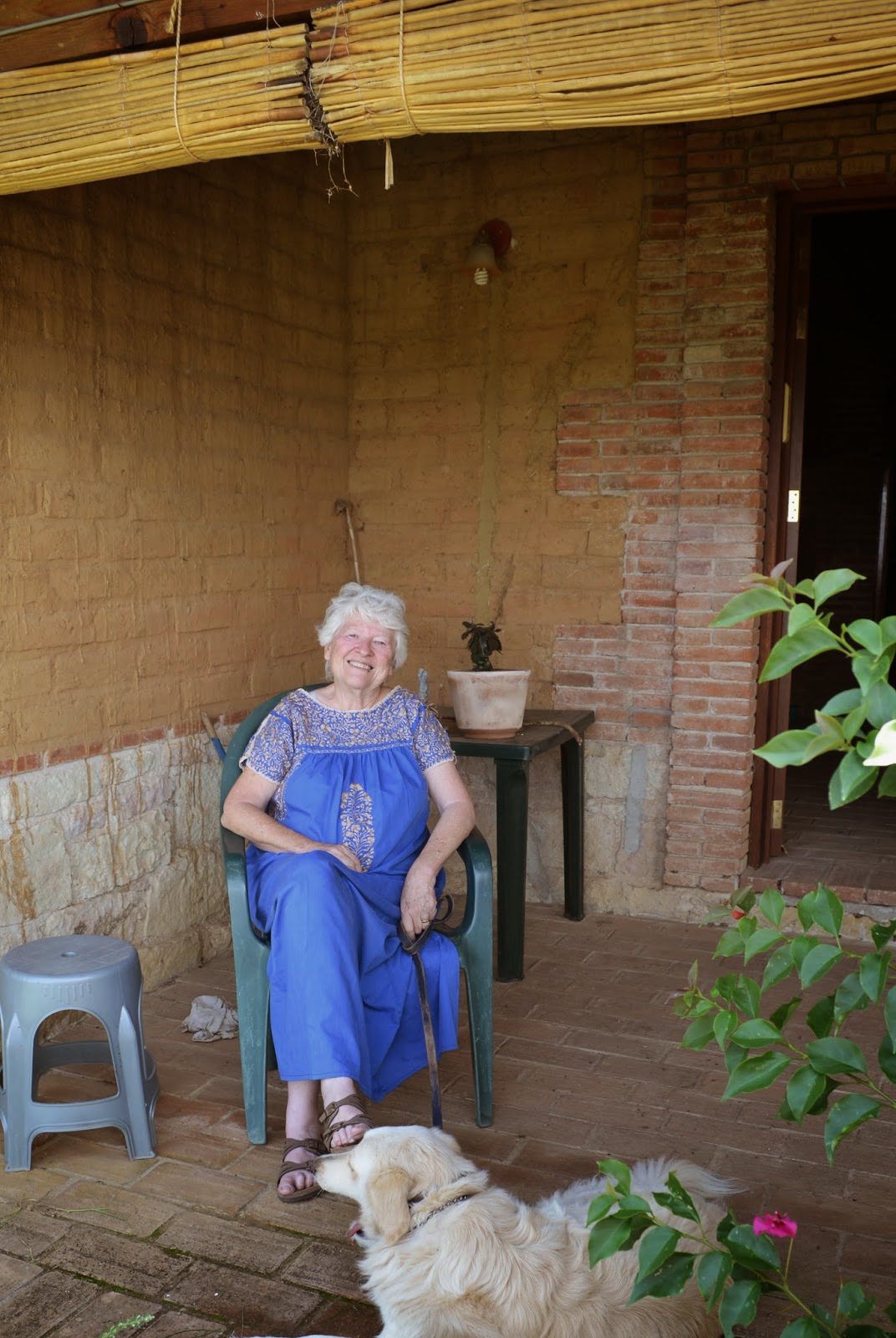
| Mary and Lisi |
![]() |
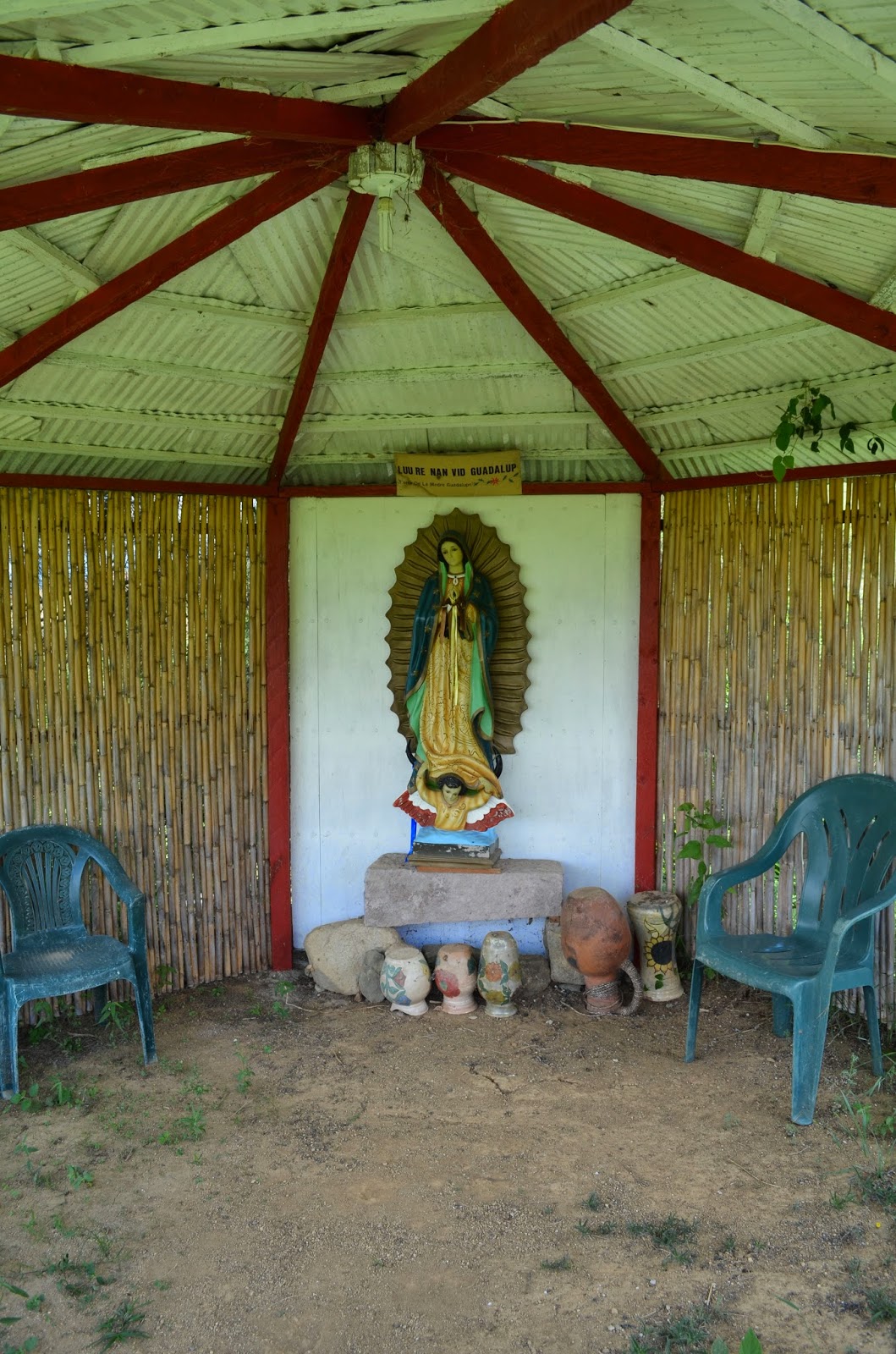
| Their sacred space |
| View up the hill, through their back yard, neighbor plowing |
| Tejate and beautifully painted gourd bowls |
| Un Pato |
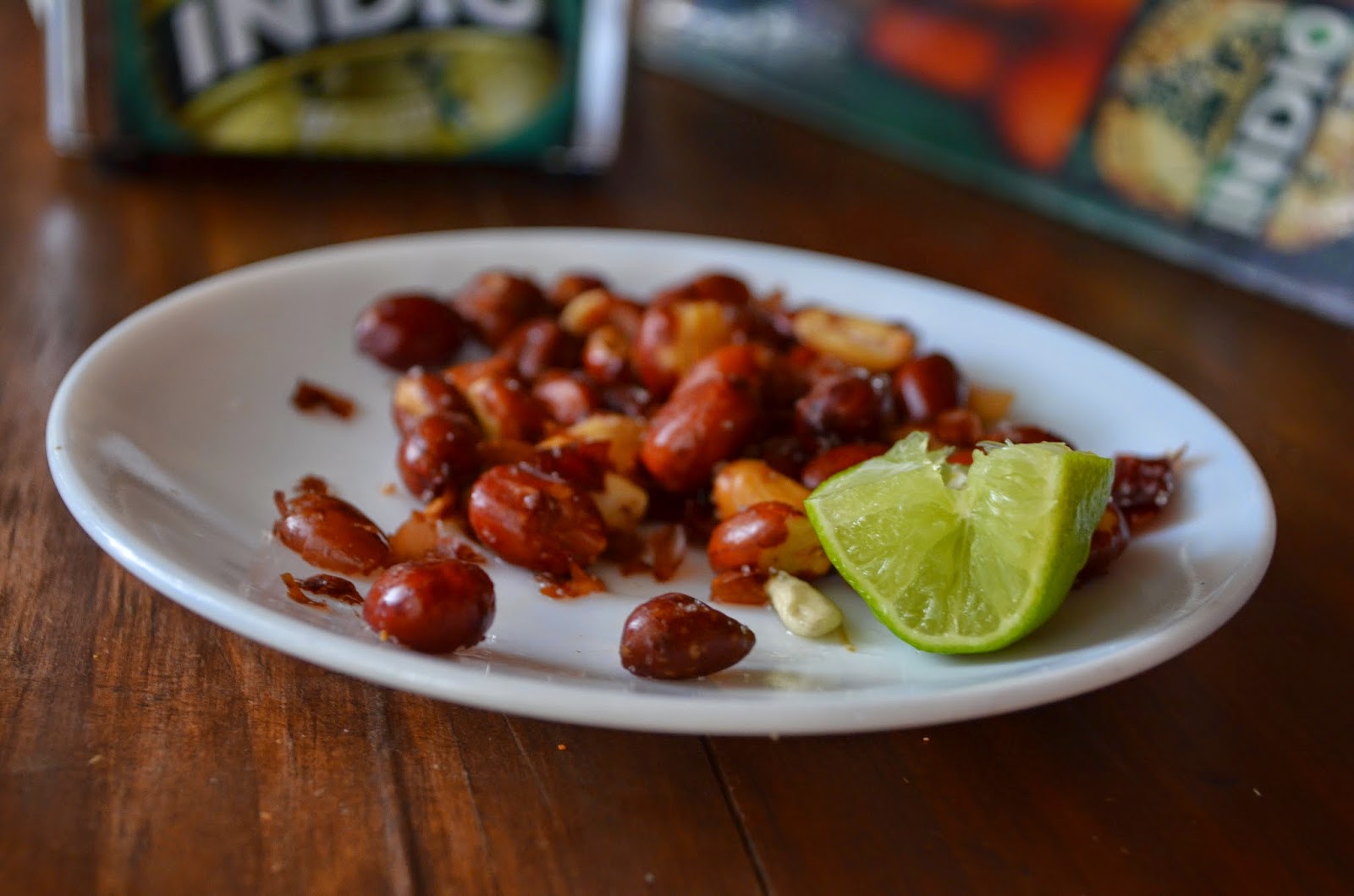
| salty, spicy, roasted peanuts with lime juice --delicious! |
Subscribe to:
Posts (Atom)